KOL image

Cesar Rodriguez, MD

Associate Professor

Icahn School of Medicine at Mount Sinai

New York, NY

Dr Rodriguez is a paid consultant of Johnson & Johnson.

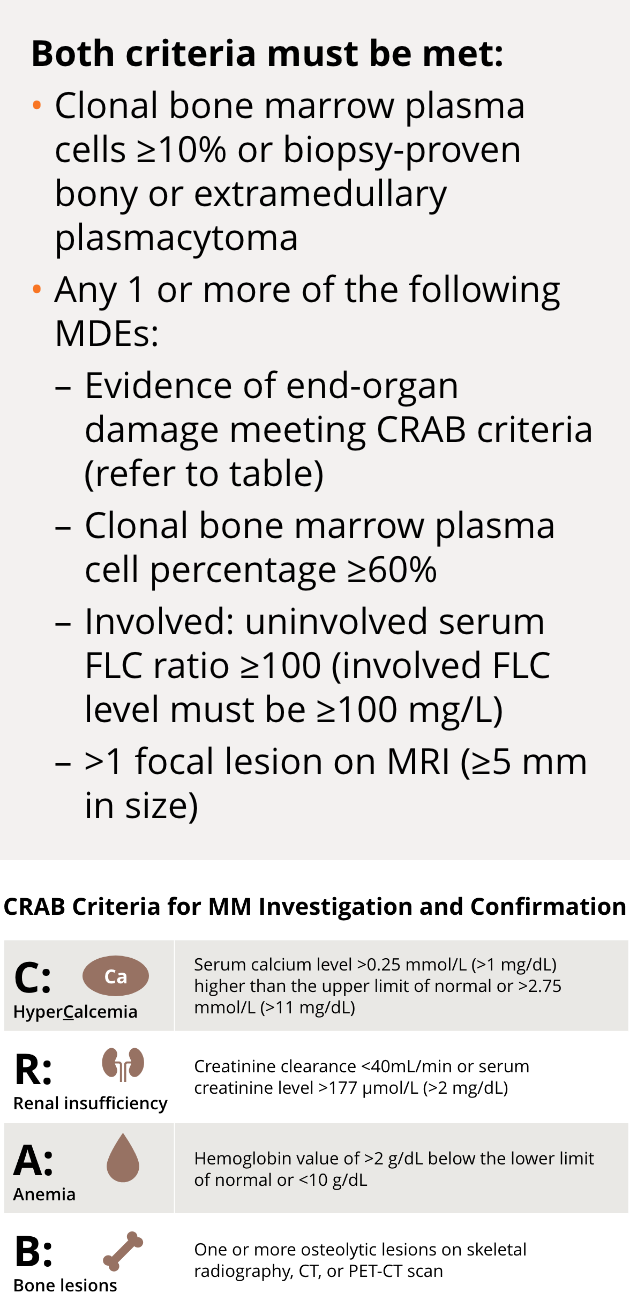
The CRAB criteria for detection of multiple myeloma evaluate patients based on four parameters: hypercalcemia, renal impairment, anemia, and bone lesions. When diagnosing Black and African American patients, it's important to account for their typically lower hemoglobin levels and renal function, as these factors can influence the assessment.

Dr Rodriguez is a paid consultant of Johnson & Johnson.

Health Equity

Learn about racial disparities
in multiple myeloma
treatment

Local Data

See the myeloma data in
your area

Approval of Novel Therapies

Discover how new therapy
approvals are changing
outcomes

KOL image

The CRAB criteria for detection of multiple myeloma evaluate patients based on four parameters: hypercalcemia, renal impairment, anemia, and bone lesions. When diagnosing Black and African American patients, it's important to account for their typically lower hemoglobin levels and renal function, as these factors can influence the assessment.

Cesar Rodriguez, MD

Associate Professor

Icahn School of Medicine at Mount Sinai

New York, NY

Dr Rodriguez is a paid consultant for Johnson & Johnson.

Understanding Multiple Myeloma (MM): Quick Insights Into Diagnosis and Treatment

IMWG Diagnostic Criteria for MM10
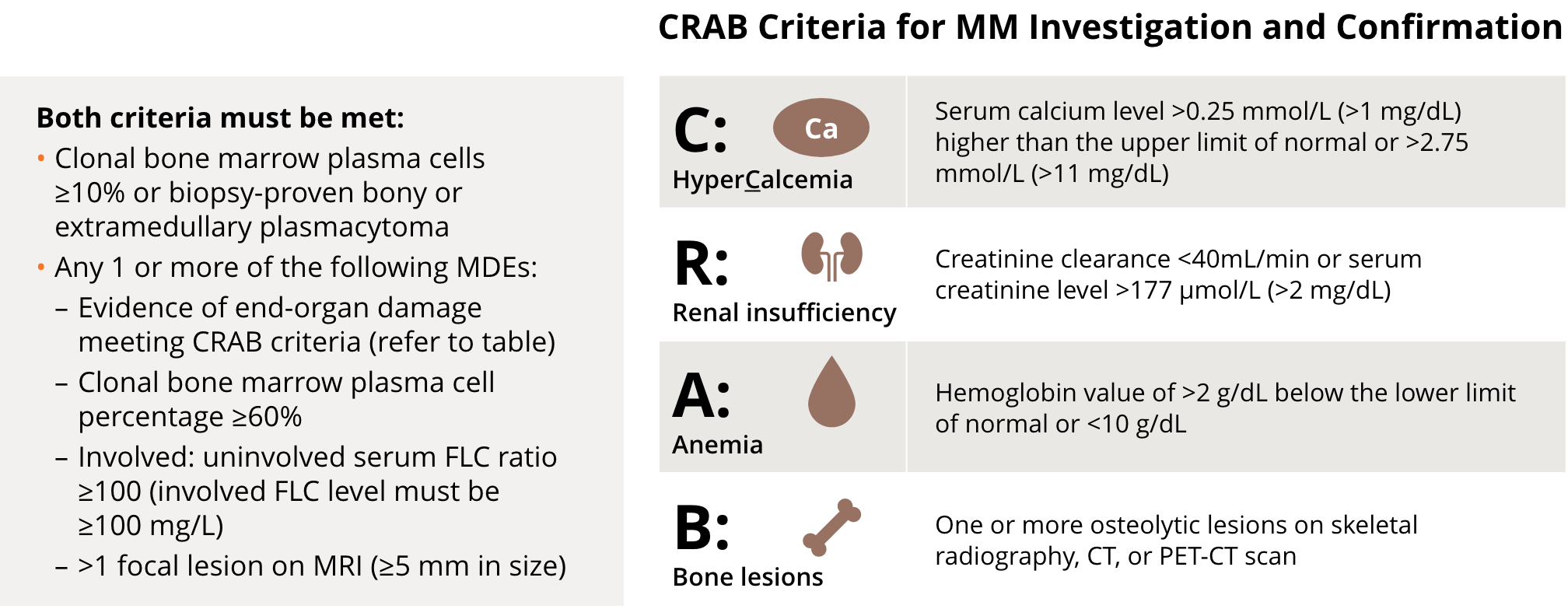
CRAB criteria CRAB criteria

The CRAB criteria for detection of MM assess patients based on the presence of 4 parameters: hypercalcemia, renal impairment, anemia, and bone lesions.
Increased awareness of clinical features of MM, including its presentation as bone pain, may lead to early recognition and testing of MM in primary care—which could potentially accelerate disease diagnosis and timely treatment.11

CT, computed tomography; FLC, free light chain; IMWG, International Myeloma Working Group; MDE, myeloma-defining event; MRI, magnetic resonance imaging; PET-CT, positron emission tomography-computed
tomography.

Treatment of Newly Diagnosed MM12

ASCT image
  • One of the first steps in evaluating newly diagnosed patients with MM is to determine whether they are candidates for high-dose therapy and transplant, based on age and comorbidities. However, it should be noted that advanced age and renal dysfunction are not absolute contraindications to transplant. Therefore, referral to an HCT center to assess whether the patient is eligible for HCT is important
  • ASCT has demonstrated survival benefit in multiple clinical trials and is currently considered for all newly diagnosed transplant-eligible patients
  • The treatment regimen includes induction therapy followed by HDT with ASCT
  • For transplant-ineligible patients, induction therapy that incorporates combinations with novel agents may be considered
  • Maintenance/consolidation therapy has been demonstrated to confer clinical benefit for transplant recipients and transplant-ineligible patients in some trials
  • According to the NCCN Clinical Practice Guidelines in Oncology (NCCN Guidelines®) for Multiple Myeloma, the primary myeloma treatment may include use of bisphosphonates or of denosumab plus supportive care treatment as indicated

ASCT, autologous stem cell transplant; HCT, hematopoietic cell transplantation; HDT, high-dose therapy; NCCN, National Comprehensive Cancer Network.

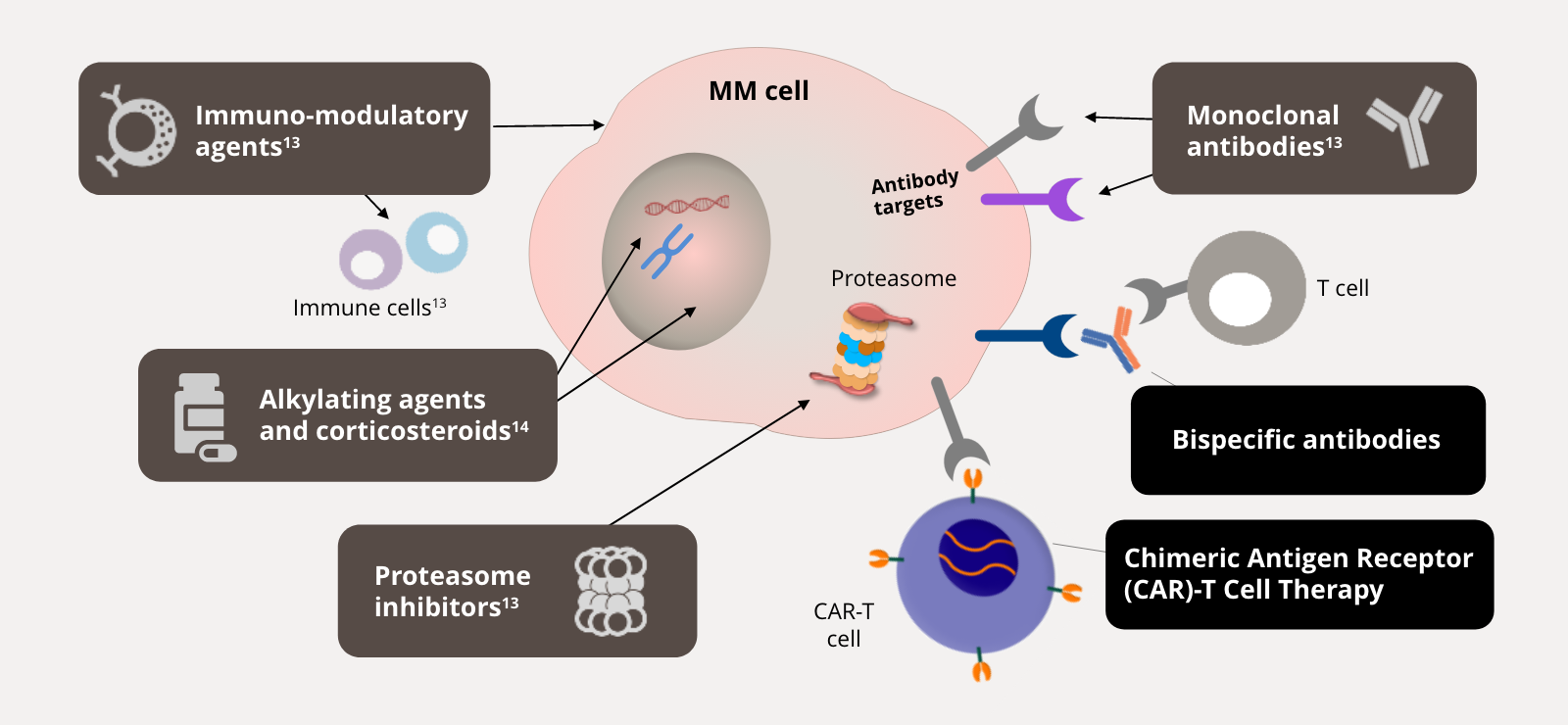
Treatment Classes for Patients with Newly Diagnosed MM
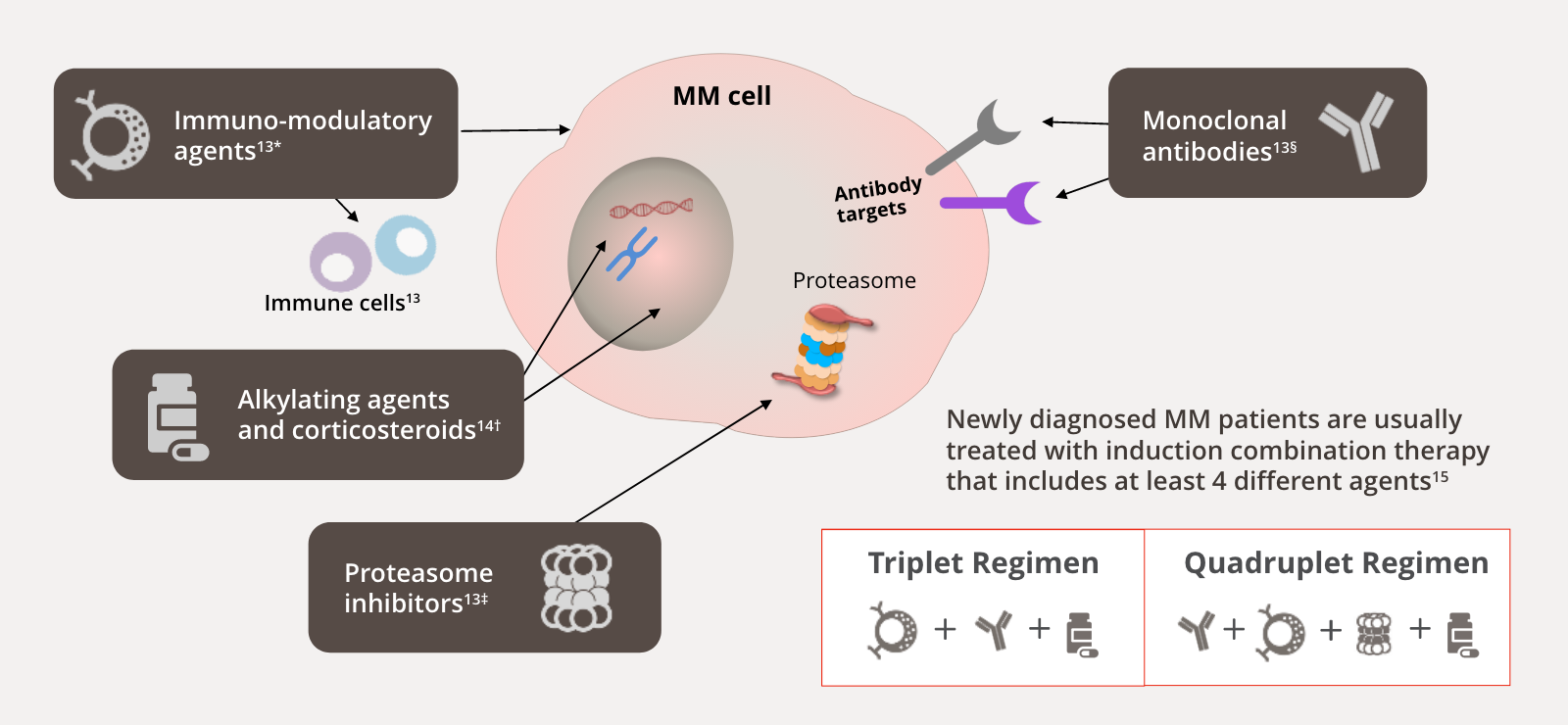
newly diagnosed MM image

Immuno-modulatory agents have multiple anti-myeloma properties including immune modulation, anti-angiogenic, anti-inflammatory, and anti-proliferative effects. They bind to cereblon, an adaptor subunit of the E3 ubiquitin ligase.

Alkylating agents work by breaking the double strand of DNA, leading to apoptosis, corticosteroids induce apoptosis in MM cells either by transactivation of glucocorticoid response elements, phosphorylation of RAFTK (Pyk2), or transrepression of NF-Kappa B, but its exact mechanism of action is still unknown.

Proteasome inhibitors target the ubiquitin–proteasome system responsible for the degradation of intracellular proteins and the maintenance of cellular protein homeostasis. Inhibition of this system leads to cell-cycle arrest, promotion of apoptosis, and disruption of the stress response.

Monoclonal antibodies induce cell death via several mechanisms, including Fc-dependent effector mechanisms, complement-dependent cytotoxicity, and antibody-dependent cellular phagocytosis.

DNA, deoxyribonucleic acid; E3, estriol; Fc, fragment crystallizable; NF-Kappa B, nuclear factor kappa B; Pyk2, proline-rich tyrosine kinase 2; RAFTK, related adhesion focal tyrosine kinase.


PracticeShare® by Scientific Perspectives™

Insights Into State-Level
Incidence of Myeloma

PracticeShare® by Scientific Perspectives™

Insights Into State-Level
Incidence of Myeloma

New York INCIDENCE RATES FOR
MYELOMA: 2017-20211

  • 1999 annual new cases
  • 7.8 annual new cases per 100,000 population
  • US average: 7.1 annual new cases per 100,000 population
From 2017-2021, annual myeloma incidence was

2x

higher among Black
and African Americans

1.2x

higher among Hispanics

compared with whites

Among Black and African Americans:

  • 469 annual new cases
  • 13.9 annual new cases per 100,000 population
  • US average: 14.4 annual new cases per 100,000 population

Among Hispanics:

  • 278 annual new cases
  • 8.3 annual new cases per 100,000 population
  • US average: 6.6 annual new cases per 100,000 population

Among whites:

  • 1144 annual new cases
  • 6.8 annual new cases per 100,000 population
  • US average: 6.2 annual new cases per 100,000 population
Myeloma Snapshot

Myeloma Incidence: 2017-20211

state image state image
Myeloma Snapshot

Myeloma Incidence: 2017-20211

Incidence Rates

  • 1999 annual new cases
  • 7.8 annual new cases per 100,000 population
  • US average: 7.1 annual new cases per 100,000 population

US, United States.

KOL image

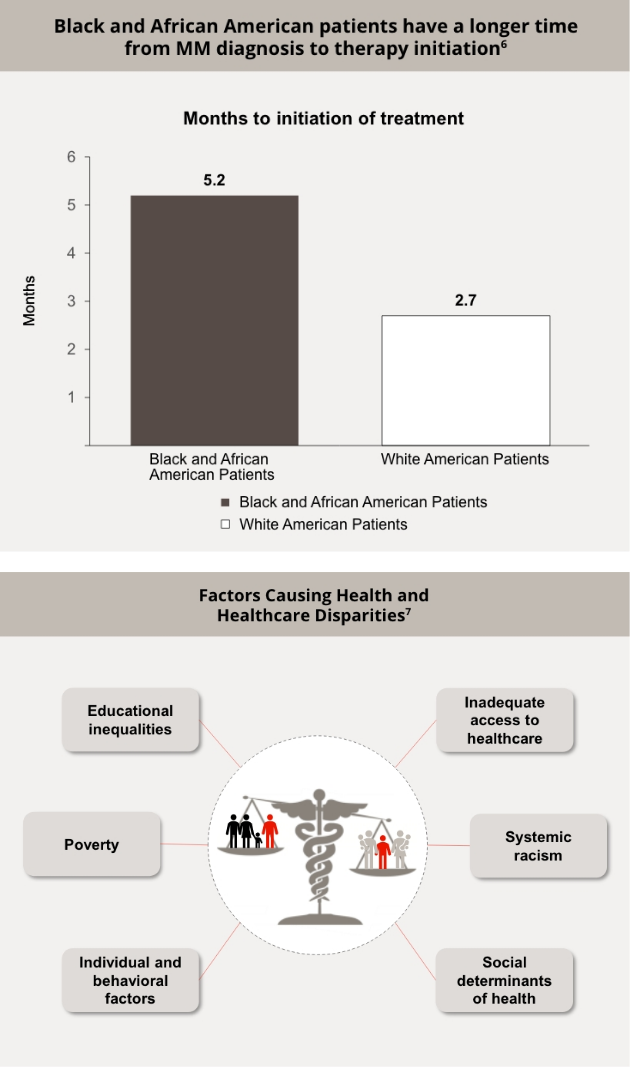
Various factors, such as educational inequities, poverty, limited access to healthcare, and social determinants of health, contribute to health disparities among patient populations with multiple myeloma. These disparities are evident in the longer delays Black and African American patients face in starting treatment, which can exacerbate their health outcomes. As an oncologist, I consider these factors when developing treatment plans to ensure equitable care.

Cesar Rodriguez, MD

Associate Professor

Icahn School of Medicine at Mount Sinai

New York, NY

Dr Rodriguez is a paid consultant for Johnson & Johnson.

Multiple
Myeloma in Underrepresented Patient Populations

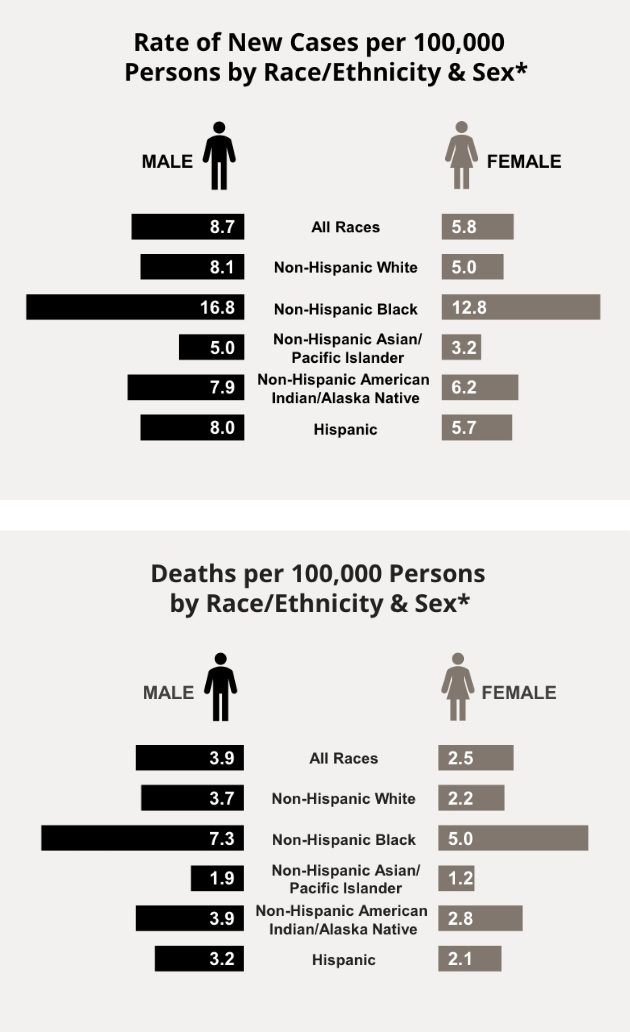
Multiple Myeloma (MM) Incidence and Mortality2

Rate of new cases is 7.1 per 100,000 and death rate is 3.1 per 100,000 population per year*

incidence and mortality image incidence and mortality image

*Based on 2016-2020 cases, age-adjusted.

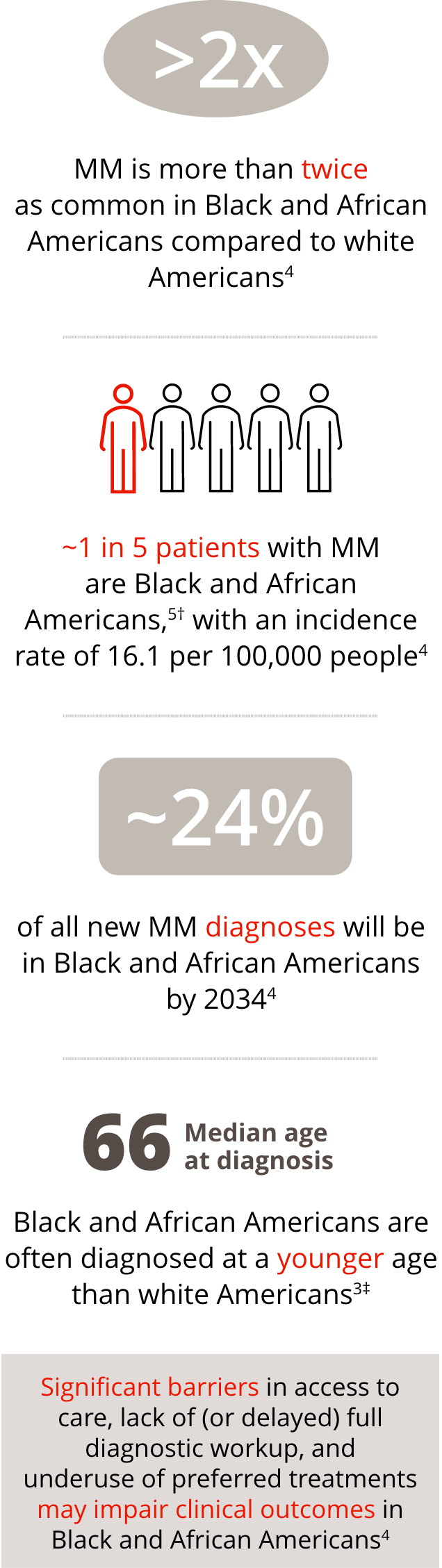
MM Is Associated With Higher Mortality Among Black and African American Populations3

mortality image mortality image

Based on 5-year limited duration prevalence as of January 1, 2020 (19,720 cases in Black and African Americans from 92,180 total cases).

Median age at diagnosis for white Americans is 70 years.

Inequities in Access to and Use of Healthcare Contribute to Disparities in Health

healthcare disparities image

Potential Underlying Reasons for Racial Disparity8

Differences in incidence

  • MM occurs at a higher incidence and at a younger median age in Black patients compared with white patients

Disease biology

  • Increased rate of immunoglobulin A disease among Africans and people of African descent
  • Differences in cytogenetics and molecular alterations between Black patients and white patients
    • Translocations involving chromosome 14 (ie, t[11;14], t[14;16], and t[14;20]) occur more frequently in individuals of African ancestry

Access to care and novel treatments

  • Differences have been documented in the rate of use of ASCT and novel therapies among ethnic and racial minorities, generally showing that Black and Hispanic patients are less likely to undergo ASCT and, when they undergo ASCT, more likely to do so later in their disease course
  • Black patients are underrepresented in clinical trials (4%) despite constituting 13% of the US population and approximately 20% of patients with MM in the US
  • These disparities have the potential to lead to differences in survival

ASCT, autologous stem cell transplantation; US, United States.

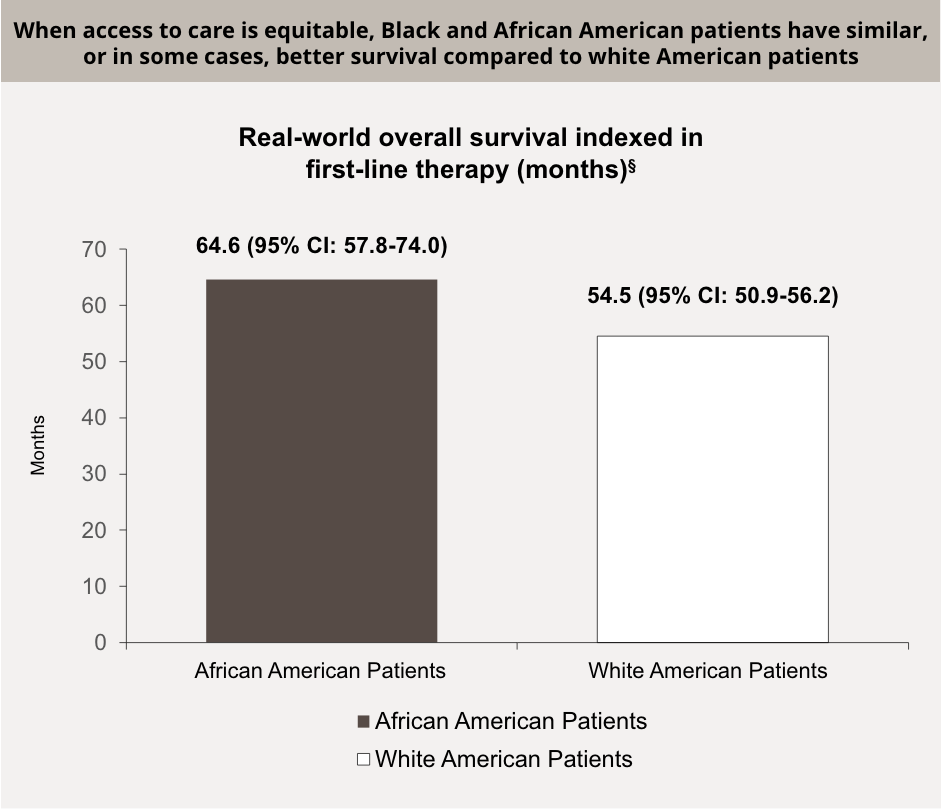
Equal Access to Care Is Important to Improve Survival Outcomes for Patients With MM9

access to care image

This retrospective observational study used data from a longitudinal, de-identified EHR-derived Flatiron Health database. As of the end of the observation period (May 31, 2019), the database consisted of ~280 US cancer clinics (~800 sites of care).

CI, confidence interval; EHR, electronic health records.

KOL image

Various factors, such as educational inequities, poverty, limited access to...

Dr Rodriguez is a paid consultant of Johnson & Johnson.

Cesar Rodriguez, MD
Associate Professor
Icahn School of Medicine at Mount Sinai, New York, NY
KOL image

My treatment approach for relapsed or refractory multiple myeloma varies based on the individual patient. I take into account their previous therapies and the interval since their last treatment to tailor the choice of agents or regimens. This personalized approach helps ensure that we select the most effective and appropriate treatment strategy for each patient's unique situation.

Cesar Rodriguez, MD

Associate Professor

Icahn School of Medicine at Mount Sinai

New York, NY

Dr Rodriguez is a paid consultant for Johnson & Johnson.

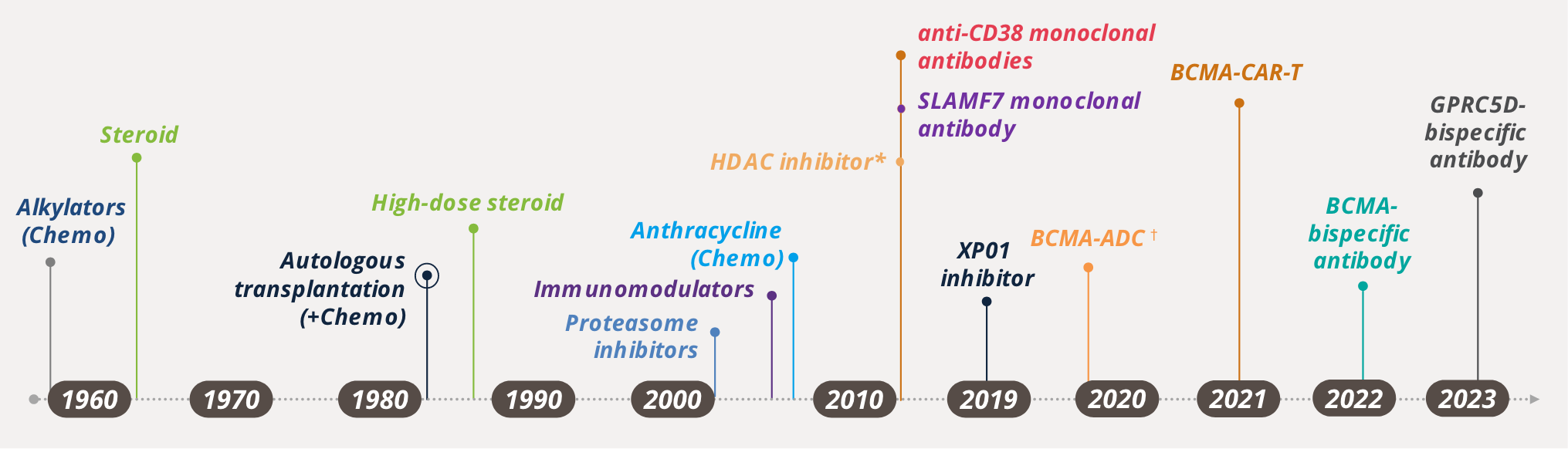
A Brief Look Into Novel Therapies for Multiple Myeloma (MM)

Approval of Several Different Therapeutic Classes for MM Over the Years16‑25

Outcomes for patients with MM have improved over the last few decades by the introduction of new therapies26‑28

therapeutic classes

HDAC treatment and peptide conjugated alkylator were approved but are not currently available for commercial use.

Withdrawn from the market in 2022.

ADC, antibody-drug conjugates; BCMA, B cell maturation antigen; CAR-T, chimeric antigen receptor-T cell; CD38, cluster of differentiation 38; Chemo, chemotherapy; GPRC5D, G protein–coupled receptor, class C, group 5, member D; HDAC, histone deacetylase; SLAMF7, signaling lymphocytic activation molecule F7; XP01, exportin 1.

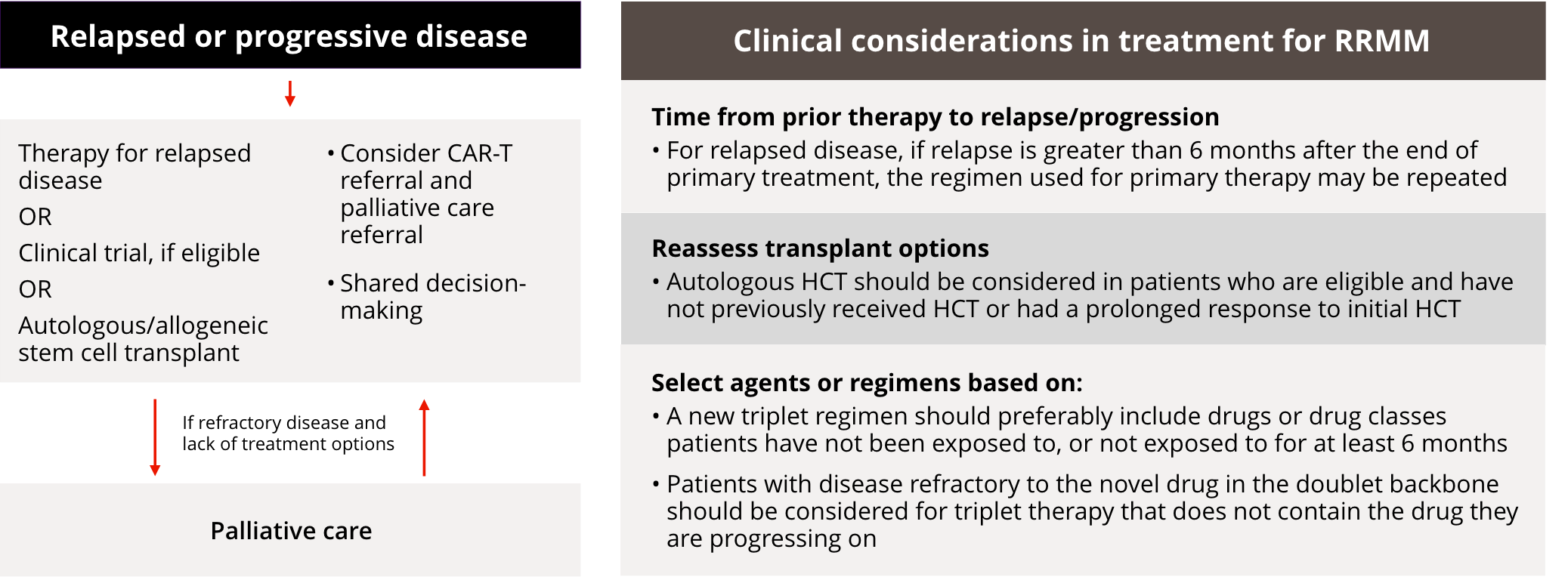
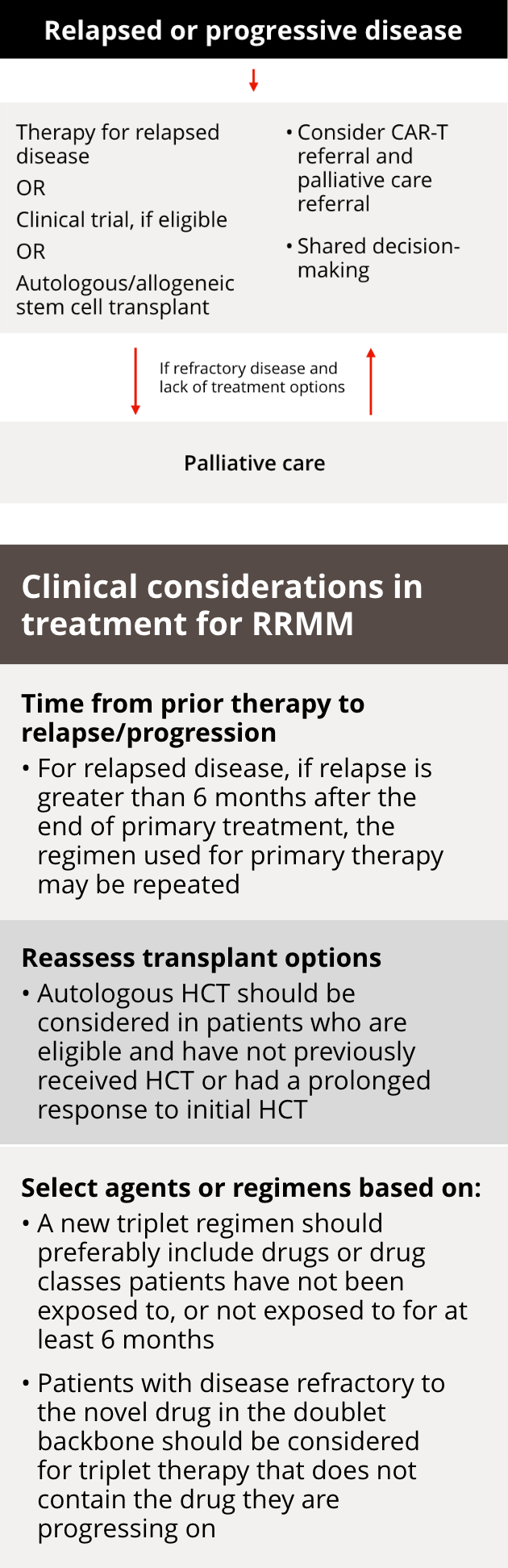
Treatment Approaches in Patients With Relapsed/Refractory Multiple Myeloma (RRMM)12

treatment approaches image

HCT, hematopoietic cell transplantation.

Treatments for Patients With RRMM

MM cell image

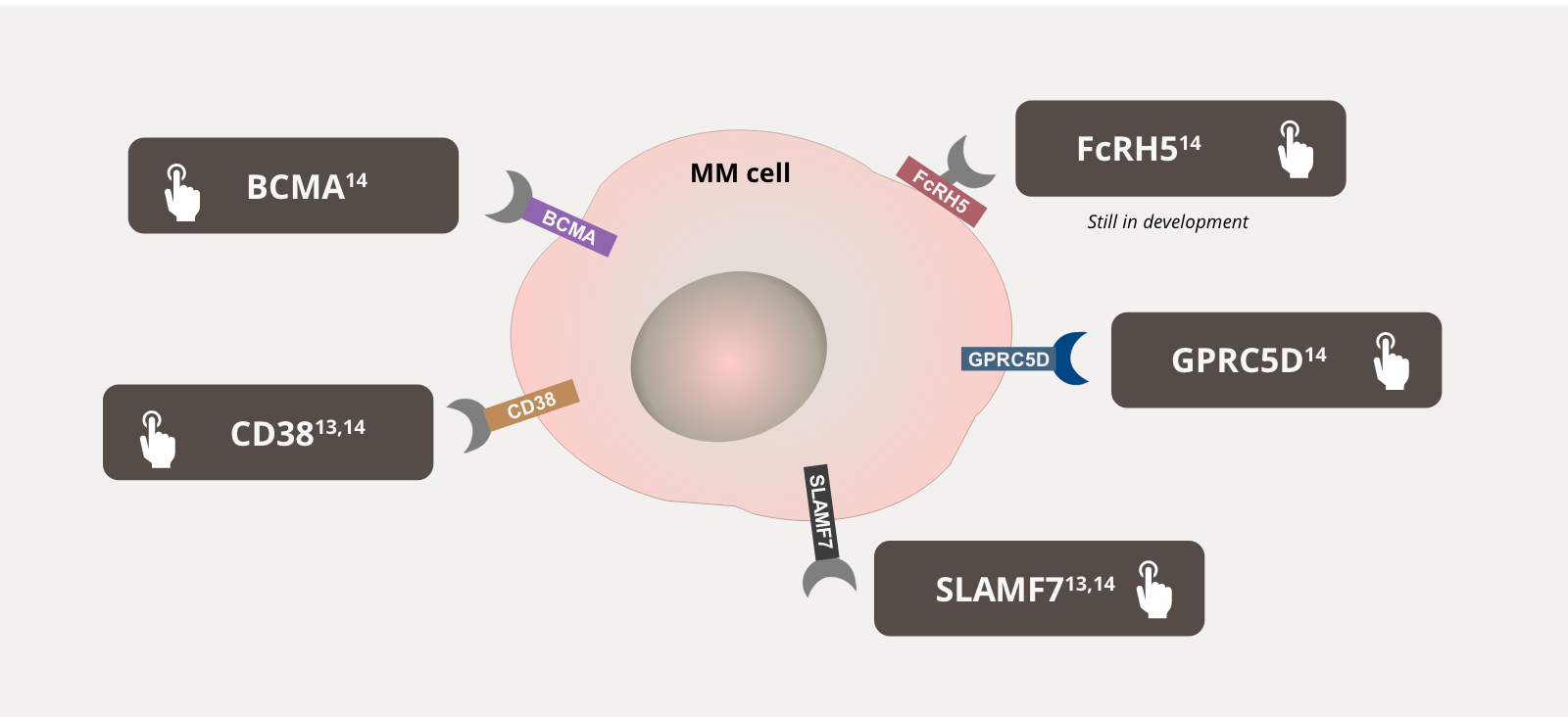
Molecular Targets in RRMM

MM cell image

FcRH5, Fc receptor-homolog 5.

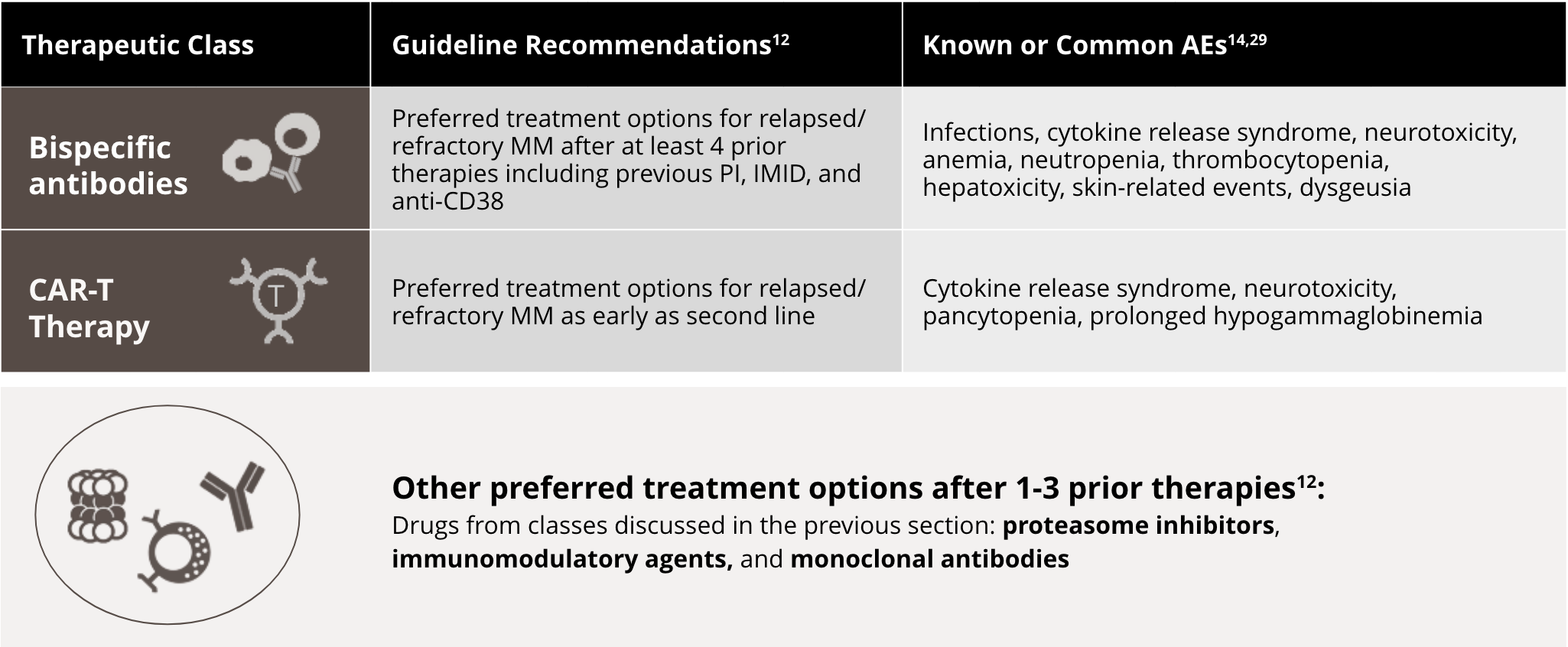
Treatment Classes for RRMM

treatment classes image

AEs, adverse events; IMID, immunomodulatory drugs; PI, proteasome inhibitors.

Clinical Trials: NCCN believes that the best management of any patient with cancer is in a clinical trial. Participation in clinical trials is especially encouraged.12

KOL image

My treatment approach for relapsed or refractory multiple myeloma...

Dr Rodriguez is a paid consultant of Johnson & Johnson.

Cesar Rodriguez, MD
Associate Professor

Icahn School of Medicine at Mount Sinai

New York, NY

Cesar Rodriguez, MD
Associate Professor
Icahn School of Medicine at Mount Sinai, New York, NY

References: 1. CiNA Explorer: An interactive tool for quick access to key NAACCR cancer statistics based on the Cancer in North America (CiNA) dataset from the North American Association of Central Cancer Registries. Accessed August 19, 2024. http://www.naaccr.org/interactive-data-on-line/ 2. Cancer stat facts: myeloma. National Cancer Institute. Accessed August 19, 2024. https://seer.cancer.gov/statfacts/html/mulmy.html 3. Cancer facts & figures for African American/Black people 2022-2024. American Cancer Society. Accessed August 19, 2024. https://www.cancer.org/content/dam/cancer-org/research/cancer-facts-and-statistics/cancer-facts-and-figures-for-african-americans/2022-2024-cff-aa.pdf 4. Mikhael J, Bhutani M, Cole CE. Multiple myeloma for the primary care provider: a practical review to promote earlier diagnosis among diverse populations. Am J Med. 2023;136(1):33-41. 5. United States cancer statistics: data visualizations. Centers for Disease Control and Prevention. Accessed August 19, 2024. https://gis.cdc.gov/Cancer/USCS/#/NationalPrevalence/ 6. Ailawadhi S, Parikh K, Abouzaid S, et al. Racial disparities in treatment patterns and outcomes among patients with multiple myeloma: a SEER-Medicare analysis. Blood Adv. 2019;3(20):2986-2994. 7. Hill L, Ndugga N, Artiga S. Key data on health and health care by race and ethnicity. KFF. Accessed August 19, 2024. https://www.kff.org/racial-equity-and-health-policy/report/key-data-on-health-and-health-care-by-race-and-ethnicity 8. Kanapuru B, Fernandes LL, Fashoyin-Aje LA, et al. Analysis of racial and ethnic disparities in multiple myeloma US FDA drug approval trials. Blood Adv. 2022;6(6):1684-1691. 9. Maignan K, Fashoyin-Aje LA, Torres AZ, et al. Exploring racial disparities in treatment patterns and outcomes for patients with multiple myeloma using real world data. Blood Cancer J. 2022;12(4):65. 10. Rajkumar SV. Multiple myeloma: 2020 update on diagnosis, risk-stratification and management. Am J Hematol. 2020;95(5):548-567. Erratum in: Am J Hematol. 2020;95(11):1444. 11. Seesaghur A, Petruski-Ivleva N, Banks VL, et al. Clinical features and diagnosis of multiple myeloma: a population-based cohort study in primary care. BMJ Open. 2021;11(10):e052759. 12. Adapted with permission from the NCCN Clinical Practice Guidelines in Oncology (NCCN Guidelines®) for Multiple Myeloma V.1.2025. © 2024 National Comprehensive Cancer Network, Inc. All rights reserved. The NCCN Guidelines® and illustrations herein may not be reproduced in any form for any purpose without the express written permission of the NCCN. To view the most recent and complete version of the NCCN Guidelines, go online to NCCN.org. The NCCN Guidelines are a work in progress that may be refined as often as new significant data becomes available. NCCN makes no warranties of any kind whatsoever regarding their content, use or application and disclaims any responsibility for their application or use in any way. 13. Cook G, Zweegman S, Mateos MV, Suzan F, Moreau P. A question of class: Treatment options for patients with relapsed and/or refractory multiple myeloma. Crit Rev Oncol Hematol. 2018;121:74-89. 14. Hussain M, Yellapragada S, Al Hadidi S. Differential diagnosis and therapeutic advances in multiple myeloma: a review article. Blood Lymphat Cancer. 2023;13:33-57. 15. Mohty M, Malard F. Induction prior to autologous haematopoietic cell transplantation in multiple myeloma. Br J Haematol. Published online September 9, 2024. 16. Ribatti D. A historical perspective on milestones in multiple myeloma research. Eur J Haematol. 2018;100(3):221-228. 17. Burwick N, Sharma S. Glucocorticoids in multiple myeloma: past, present, and future. Ann Hematol. 2019;98(1):19-28. 18. Tariman JD. Changes in cancer treatment: Mabs, Mibs, Mids, Nabs, and Nibs. Nurs Clin North Am. 2017;52(1):65-81. 19. Velcade (bortezomib) [Prescribing Information]. Cambridge, MA: Millennium Pharmaceuticals, Inc. 20. Doxil (doxorubicin hydrochloride liposome injection) [Prescribing Information]. Bedford, OH: ALZA Corporation. 21. Xpovio (selinexor) [Prescribing Information]. Newton, MA: Karyopharm Therapeutics Inc. 22. Blenrep (belantamab mafodotin-blmf) [Prescribing Information]. Research Triangle Park, NC: GlaxoSmithKline. 23. Abecma (idecabtagene vicleucel) [Prescribing Information]. Summit, NJ: Celgene Corporation, a Bristol-Myers Squibb Company. 24. Kang C. Teclistamab: First approval. Drugs. 2022;82(16):1613-1619. 25. Keam SJ. Talquetamab: First approval. Drugs. 2023;83(15):1439-1445. 26. Zhou X, Xiao X, Kortuem KM, Einsele H. Bispecific antibodies in the treatment of multiple myeloma. Hematol Oncol Clin North Am. 2024;38(2):361-381. 27. Devasia AJ, Lancman GS, Stewart AK. Management of newly diagnosed multiple myeloma today, and in the future. Hematol Oncol Clin North Am. 2024;38(2):441-459. 28. Abdallah N, Kumar SK. New therapies on the horizon for relapsed refractory multiple myeloma. Hematol Oncol Clin North Am. 2024;38(2):511-532. 29. Rodriguez-Otero P, van de Donk NWCJ, Pillarisetti K, et al. Correction: GPRC5D as a novel target for the treatment of multiple myeloma: a narrative review. Blood Cancer J. 2024;14(1):40.